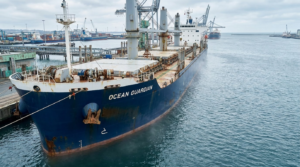
Vessel Condition Assessment: A Practical Guide to Understanding Ship Performance
A vessel’s condition directly influences its safety, reliability, maintenance requirements, and operational performance. For shipowners, operators, and marine professionals, understanding the actual condition of a vessel is essential for making informed maintenance and operational decisions.
A professional vessel condition assessment provides a structured view of the vessel’s physical condition, helping identify potential issues before they develop into more serious operational or financial problems.
What Is Vessel Condition Assessment?
Vessel condition assessment is the systematic evaluation of a vessel’s structural, mechanical, electrical, safety, and operational condition.
The assessment combines inspection findings, technical observations, historical records, and other relevant information to establish a clearer understanding of the vessel’s current condition.
Rather than focusing on a single component, the process considers multiple areas of the vessel to identify existing defects, deterioration, maintenance requirements, and potential risks.
Why Is Vessel Condition Assessment Important?
Regular assessment can help vessel operators understand where attention and maintenance resources are required.
Some of the key benefits include:
Identifying visible defects and signs of deterioration
Supporting preventive maintenance planning
Improving operational awareness
Reducing the risk of unexpected equipment failures
Supporting better maintenance prioritisation
Providing clearer technical information for decision-making
Maintaining a reliable record of vessel condition
A structured assessment can therefore serve as an important input for both short-term maintenance activities and longer-term asset planning.
Key Areas Evaluated During a Vessel Assessment
The scope of a vessel condition assessment can vary depending on the vessel type, age, operational profile, and inspection requirements. However, several areas are commonly considered.
Hull and Structural Condition
The structural condition of the vessel is a fundamental part of any assessment.
Inspectors may examine areas such as:
Hull surfaces
Deck structures
Bulkheads
Frames and structural members
Corrosion and coating condition
Visible deformation or damage
Areas showing signs of wear or deterioration
Identifying structural issues at an early stage can help operators plan appropriate inspection and maintenance activities.
Machinery and Mechanical Systems
Machinery condition can have a direct impact on vessel reliability and operational continuity.
Depending on the inspection scope, assessment may include observations related to:
Main engines
Auxiliary machinery
Pumps
Valves
Piping systems
Mechanical equipment
Signs of leakage, wear, or abnormal condition
The objective is to establish a clearer picture of the equipment condition and identify areas requiring further attention.
Deck and External Areas
External vessel areas are continuously exposed to demanding marine environments.
Inspection may cover decks, fittings, access areas, external equipment, coatings, and other visible components.
These observations can help identify deterioration, damage, corrosion, or maintenance requirements that may otherwise become more difficult or expensive to address later.
Safety Equipment and Systems
Safety-related equipment and systems are another important part of vessel condition evaluation.
Depending on the assessment scope, inspectors may review the visible condition and status of relevant safety equipment, emergency systems, signage, access arrangements, and other safety-related areas.
Proper documentation and identification of deficiencies can support more effective corrective action.
Documentation and Records
Physical inspection findings become more useful when they can be considered alongside relevant vessel documentation.
Maintenance records, previous inspection reports, equipment history, certificates, and other technical records can provide valuable context for understanding current vessel condition.
Combining historical information with current observations helps create a more complete condition picture.
From Inspection Findings to Maintenance Priorities
Not every inspection finding requires the same level of attention.
Some observations may require immediate corrective action, while others can be monitored or incorporated into planned maintenance activities.
A structured assessment can help categorise findings based on factors such as:
Condition
Severity
Operational relevance
Safety implications
Potential impact
Recommended follow-up
This allows maintenance teams to focus resources on areas where action is most relevant.
The Role of Condition Monitoring
A single inspection provides a snapshot of vessel condition at a particular point in time.
Condition monitoring adds another dimension by allowing operators to compare observations over time.
When inspection data is consistently recorded and reviewed, it becomes possible to identify patterns such as recurring defects, progressive deterioration, or components requiring repeated attention.
This historical perspective can support more informed maintenance planning and asset management.
Why Clear Inspection Reporting Matters
An inspection is only as useful as the information that comes from it.
Clear reporting should make findings easy to understand and act upon. Well-organised reports can include observations, photographs, locations, condition details, recommendations, and supporting information.
Instead of simply recording what was observed, effective reporting helps answer practical questions:
What was found?
Where was it found?
How significant is it?
What action may be required?
Clear answers to these questions can improve communication between inspectors, vessel operators, technical teams, and management.
Using Vessel Data for Better Decisions
Modern marine operations generate large amounts of technical and inspection information.
When this information is organised properly, it can become a valuable resource for decision-making.
Vessel condition data can support decisions related to:
Maintenance scheduling
Repair prioritisation
Operational planning
Asset management
Inspection planning
Long-term vessel performance
The goal is not simply to collect more data, but to turn inspection information into practical insight.
When Should a Vessel Condition Assessment Be Considered?
The appropriate timing depends on the vessel, operational requirements, inspection scope, and applicable standards.
Condition assessments may be particularly useful when:
A vessel is undergoing a major maintenance programme
There are concerns about equipment or structural condition
A vessel has experienced damage or operational issues
Historical inspection information needs to be reviewed
Maintenance priorities need to be established
A broader understanding of asset condition is required
Regular and appropriately scoped assessments can help operators maintain better visibility of vessel condition throughout the asset lifecycle.
Building a More Reliable Vessel Maintenance Strategy
Effective vessel maintenance depends on having accurate and relevant information about asset condition.
A structured vessel condition assessment can provide the foundation for this process by connecting physical inspection findings with maintenance planning and operational decision-making.
When inspection data is captured consistently, reported clearly, and reviewed over time, marine teams can develop a stronger understanding of their assets and respond more effectively to emerging issues.
Conclusion
Understanding vessel condition is essential for maintaining safe, reliable, and efficient marine operations.
A professional vessel condition assessment provides more than a list of inspection findings. It creates a structured view of the vessel, helping stakeholders identify issues, prioritise maintenance, monitor deterioration, and make better-informed decisions.
As marine assets become increasingly data-driven, the ability to turn inspection findings into actionable insight will remain an important part of effective vessel management.
Looking for Better Visibility Into Your Vessel’s Condition?
Marilens helps transform inspection information into clearer, structured, and actionable marine intelligence.
Need a clearer view of your vessel? Let’s turn inspection data into actionable insight.
Discuss Your Requirement