
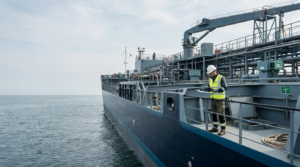

Marine vessels operate in demanding environments where safety, reliability, and operational efficiency are critical. From commercial ships and offshore vessels to specialized marine assets, regular inspection helps identify potential issues before they become costly operational problems.
A professional marine vessel inspection provides valuable insight into the condition of a vessel, helping owners, operators, and other stakeholders make informed decisions about maintenance, compliance, and operational readiness.
What Is Marine Vessel Inspection?
Marine vessel inspection is the systematic examination of a vessel's structure, equipment, systems, and overall condition.
Depending on the inspection's purpose, it may include visual checks, documentation reviews, equipment assessments, structural observations, and other technical inspection activities.
The objective is to identify existing or potential issues and provide clear information that can support maintenance and operational decisions.
Why Is Vessel Inspection Important?
A vessel is exposed to harsh marine conditions throughout its operational life. Saltwater, corrosion, mechanical stress, weather conditions, and continuous operation can gradually affect different components.
Regular inspection can help stakeholders:
- Identify potential defects at an early stage
- Monitor the vessel's overall condition
- Support planned maintenance
- Reduce unexpected operational issues
- Improve safety awareness
- Maintain better inspection records
- Make more informed technical decisions
Early identification of an issue can often make it easier to plan the appropriate next step.
Key Areas Covered During a Vessel Inspection
The scope of an inspection depends on the vessel, inspection objective, and applicable requirements. However, several areas commonly receive attention.
Hull and Structural Condition
The hull is one of the most important parts of any vessel. Inspection may focus on visible signs of corrosion, deformation, damage, cracking, coating deterioration, or other structural concerns.
Understanding the condition of the hull helps establish a clearer picture of the vessel's current state.
Machinery and Mechanical Systems
Machinery and mechanical systems play a major role in vessel operations.
Inspection activities may help identify visible abnormalities, deterioration, leaks, wear, or other conditions that may require further assessment or maintenance.
Deck and External Areas
Deck areas are continuously exposed to marine weather and operational activity.
Inspection can examine visible conditions such as corrosion, damaged surfaces, fittings, access areas, and other relevant external components.
Safety Equipment and Systems
Safety-related equipment and systems are critical to vessel operations.
Depending on the inspection scope, relevant safety equipment and associated conditions may be reviewed and documented to support further action where required.
Documentation and Records
A vessel's technical and operational records can provide important context during an inspection.
Reviewing available documentation alongside physical observations can help create a more complete understanding of the vessel's condition and inspection history.
How Marine Inspection Supports Maintenance Planning
One of the key benefits of structured inspection is better maintenance planning.
Instead of relying only on unexpected failures or reactive maintenance, inspection findings can provide useful information about areas that may require attention.
This can help teams:
- Prioritize maintenance activities
- Plan repairs more effectively
- Track recurring issues
- Maintain inspection records
- Allocate resources more efficiently
The result is a more structured approach to vessel condition management.
The Role of Clear Inspection Reporting
Inspection data is only useful when it can be understood and acted upon.
A clear inspection report should communicate relevant observations in a structured way. Depending on the scope, this may include:
- Inspection findings
- Photographic evidence
- Location of observations
- Condition details
- Supporting notes
- Recommended follow-up actions where applicable
Well-organized reporting makes it easier for vessel owners, operators, technical teams, and other stakeholders to review findings and determine the appropriate next steps.
From Inspection Data to Actionable Insight
Modern marine operations generate significant amounts of inspection information. The challenge is turning that information into something useful for decision-making.
A structured inspection approach can help transform observations and data into actionable insight.
When Should a Vessel Be Inspected?
Inspection requirements and frequency vary depending on the vessel, operational profile, regulatory requirements, classification requirements, maintenance strategy, and specific inspection objectives.
Additional inspections may also become relevant when:
- A vessel has experienced damage
- Significant maintenance has been completed
- There are concerns about a particular component
- The vessel is being purchased or transferred
- A condition assessment is required
- Operational or technical circumstances have changed
The appropriate inspection scope should always be determined according to the specific vessel and purpose of the assessment.
Choosing the Right Marine Inspection Approach
Every vessel is different, so an inspection should be aligned with its operational and technical context.
Before starting an inspection, it is useful to establish:
- The purpose of the inspection
- Areas that need to be assessed
- Available vessel documentation
- Previous inspection findings
- Required reporting format
- Any specific technical or operational concerns
A clearly defined scope helps ensure that inspection activities remain focused and useful.
Better Inspection. Clearer Decisions.
Marine vessel inspection plays an important role in understanding vessel condition, supporting maintenance planning, and improving operational awareness.
By combining systematic inspection, accurate documentation, and clear reporting, vessel stakeholders can gain better visibility into potential issues and make more informed decisions.
The goal is not simply to collect inspection data. It is to turn that information into clear, actionable insight that supports safer and more efficient vessel operations.
Looking for Professional Marine Inspection Support?
Marilens helps transform vessel inspection information into structured and actionable insight, giving marine stakeholders clearer visibility into vessel condition and inspection findings.